
Buyer guide
How to Compare Emergency Trolley Options for Hospital Procurement
A practical B2B guide to comparing emergency trolley options by intended use, published product information and project requirement.
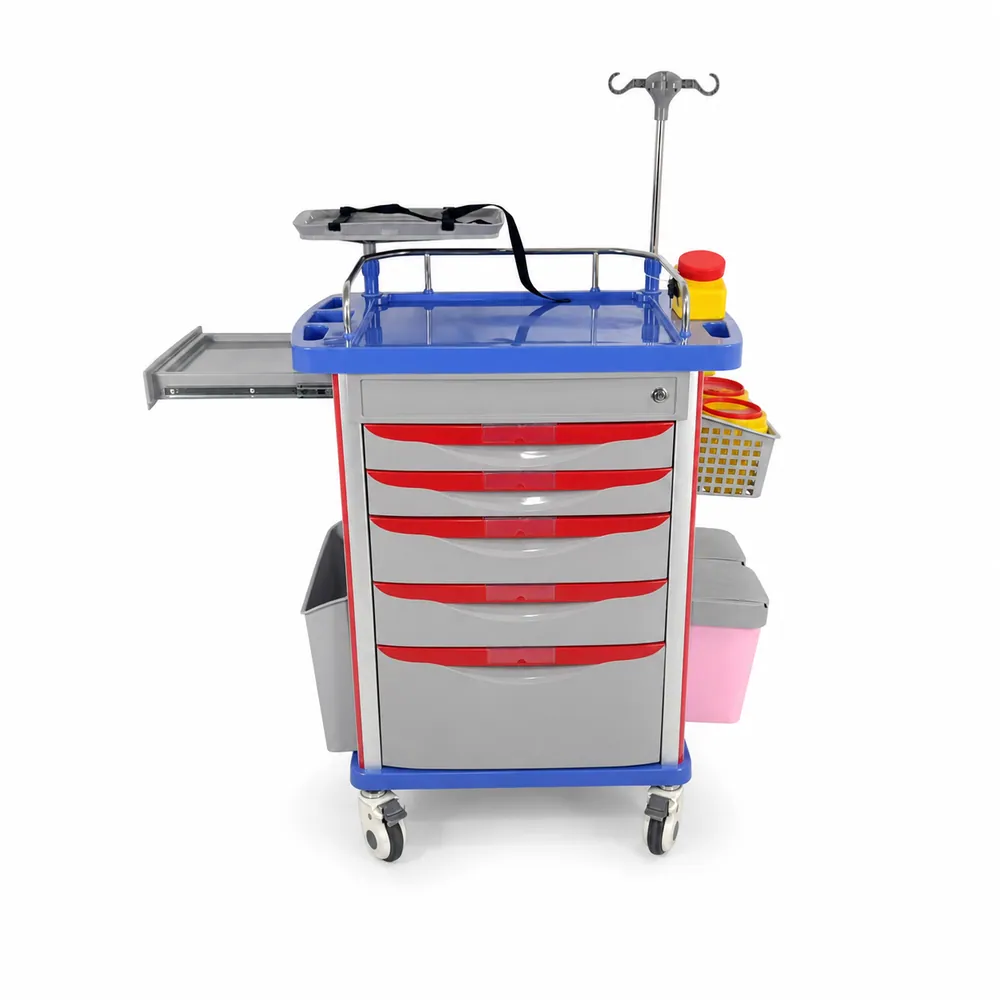
Start with the intended emergency-care workflow
Begin with the care environment and the workflow the trolley needs to support. Reviewing the emergency-care application helps buyers define the purchasing context before comparing products.
Define the emergency trolley requirement
State the required product direction, intended care area and project need. If a product has already been selected, include its name or page link. Buyers can review published emergency trolley and medical cart options before narrowing the inquiry.
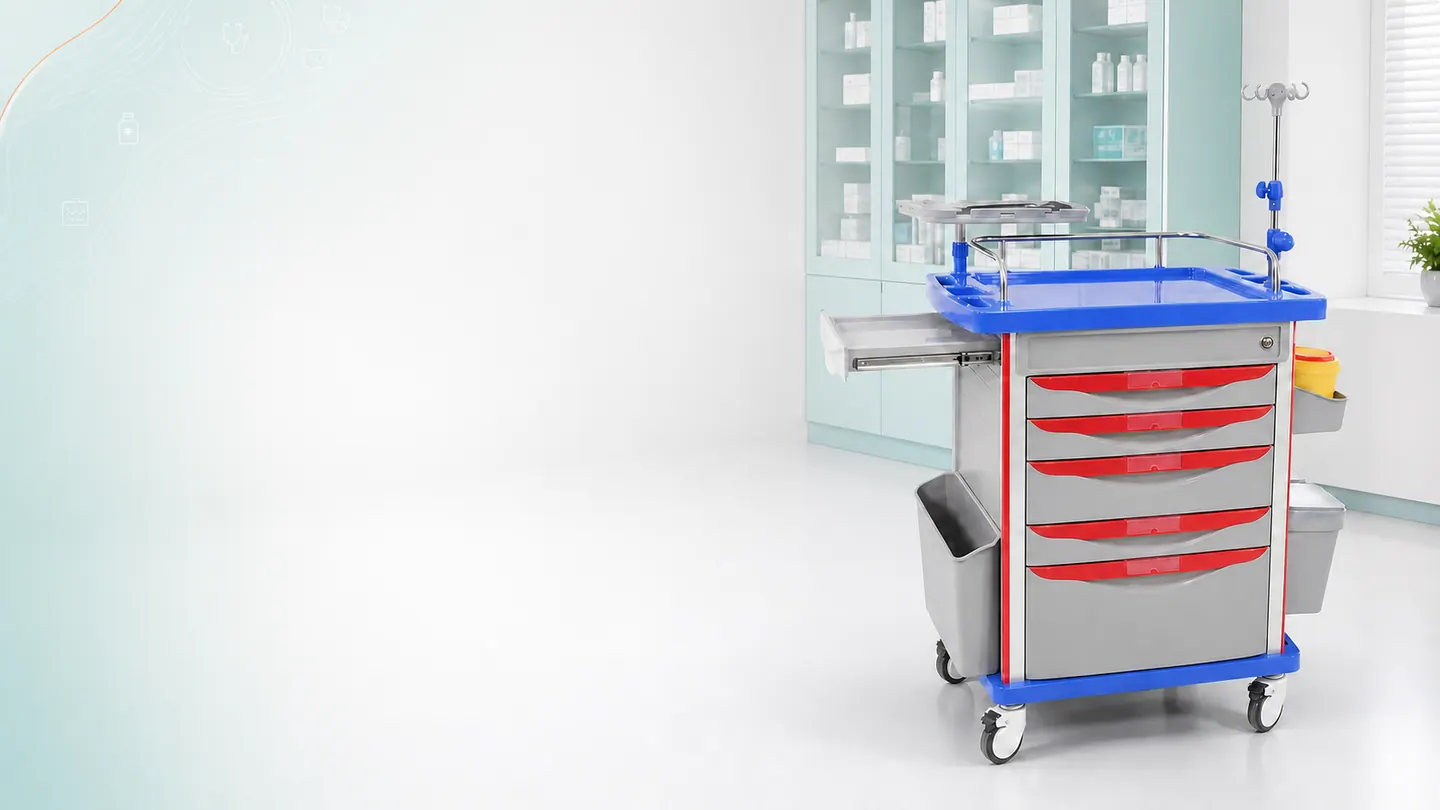
Compare published product information by product
Compare only the information published for each product under review. Do not apply the configuration, dimensions, materials or component details of one product to another emergency trolley.
Keep quantity, destination and project needs clear
Include the intended quantity, destination and project need in the inquiry. This creates a clearer basis for product discussion and for confirming information related to the requested product. It does not present a fixed quotation, freight amount or delivery time.
Prepare a focused emergency trolley inquiry
Bring together the intended use, preferred product if known, quantity, destination and the information you need to confirm. Submit the details through the inquiry page to begin a focused emergency trolley discussion.