
Buyer guide
How Much Does a Hospital Bed Cost
A practical guide to public hospital bed price ranges and preparing a quotation request that can be compared.
Hospital bed prices start with the product direction
A hospital bed does not have one fixed market price. The first useful question is not “What is the cheapest bed?” It is “What type of bed does this care setting need?”
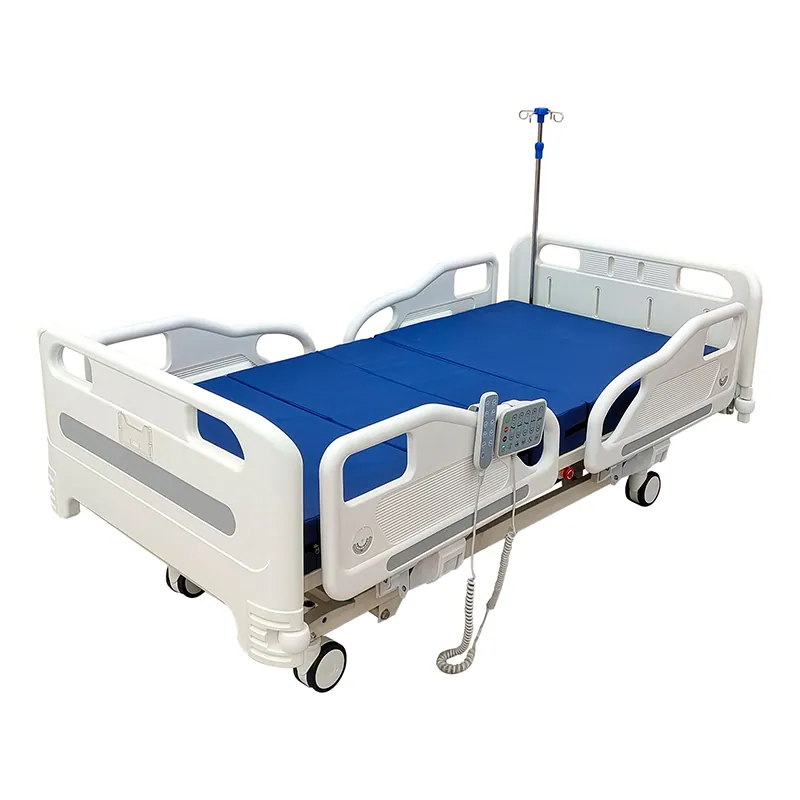
A basic manual bed for a general ward is usually reviewed differently from an electric bed used for routine positioning. A five-function electric bed may have a different price band again. ICU-oriented beds can sit higher because the product direction, adjustment system, and published components are often more complex.
This is why an early budget should begin with a product direction. The Hospital Beds category is a practical starting point. It helps a buyer separate manual, electric, ward-care, and ICU-oriented options before comparing numbers that may describe very different products.
A familiar situation is a team receiving two prices that look far apart. One may be based on a simple manual ward bed. The other may refer to an electric hospital bed with a different adjustment direction and a different group of components. The price gap is not meaningful until the products are placed side by side.
Approximate public supplier listing ranges in USD
| Hospital bed type | Approximate public supplier listing range |
|---|---|
| Manual hospital bed | USD 100–350 |
| Electric hospital bed | USD 220–900 |
| Five-function electric hospital bed | USD 450–1,800 |
| ICU-oriented hospital bed | USD 500–3,000+ |
Public hospital bed price ranges for early planning
Public supplier listings can help a buyer form an early budget range. They do not replace a product-specific quotation, but they can make the first internal discussion much easier.
These figures are broad public-market references, not Grace Medy quotations. Freight, taxes, destination charges, packing requirements, selected accessories, and final configuration are not included in these bands.
The lower end of a range may describe a simpler product direction, a higher minimum order, or a limited published configuration. The higher end may reflect a more complex frame, more electric functions, or added components. A buyer should not assume that every electric bed includes the same controls, rails, mattress platform, or accessories.
For example, public listings for five-function hospital beds range widely. Some listings show entry-level electric products around several hundred US dollars, while other listed ICU-oriented or higher-specification products move well above that level. The sensible conclusion is not that one number is “correct.” It is that a product name alone is not enough to establish a final price. Public supplier listings for electric hospital beds and five-function hospital bed listings show this spread clearly.
Manual and electric hospital beds belong in different price conversations
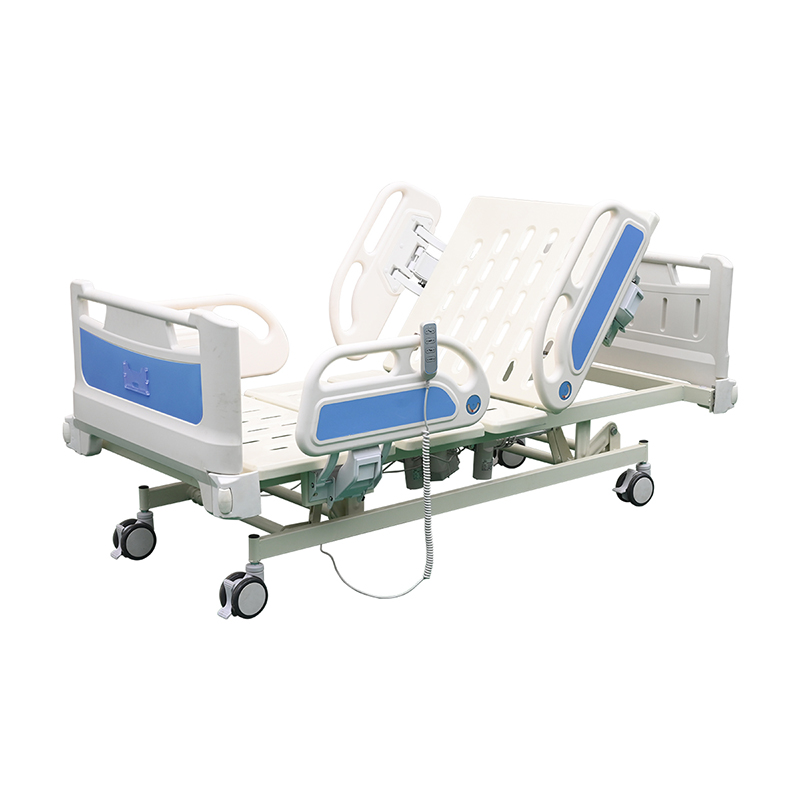
Manual beds and electric beds should be compared as separate product directions. A manual hospital bed may use a mechanical adjustment method. An electric hospital bed may include motors, a control system, powered adjustment, or other published electrical components. Those differences can affect both product cost and the information a buyer needs to confirm.
The right choice depends on the intended care setting, not only on the budget. A ward project may begin with a manual hospital bed if a manual direction suits the expected use. Another project may need to review an electric hospital bed because powered adjustment is more relevant to the intended setting.
The Types of Hospital Beds guide can help a team separate these directions before asking for a quotation. It is better to narrow the product group first than to collect prices for every kind of bed and try to compare them later.
A price can be useful only if it answers the real requirement. If a care team needs a bed for routine ward use, an ICU-focused price may add noise rather than clarity. If the project needs a different adjustment direction, a low manual-bed price may not help with the decision at all.
The published configuration can change the quotation
Two hospital beds may have similar names and still lead to different quotations. The category tells a buyer where to start. The selected product tells the buyer what should be reviewed.
Look at the product information that is published for the chosen item. This may include the adjustment direction, bed platform, side rails, head and foot boards, caster arrangement, controls, and listed accessories. A manual nursing bed should be assessed from its own product information. It should not be assumed to have the same components as every manual bed in the category.
The same principle applies to an electric ward care bed. An electric product may have more than one adjustment direction or a different component layout from another electric bed. That difference can change the quotation.
This is also why price comparison should not begin with a product photo alone. Images help a buyer understand the general direction. The quotation should be checked against the selected product and the configuration it covers. The Hospital Bed Model Comparison Guide can help a team keep several options separate during review. Grace Medy supplies hospital-bed product directions for healthcare projects. The most productive conversation begins after the buyer has identified the intended setting and product direction.
Quantity packing and destination affect the total order cost
The product price is only one part of an order budget. Quantity, packing arrangement, destination, and delivery requirements can change the total cost discussion.
A one-bed inquiry is different from a ward project with multiple beds. Packing may affect how the goods are handled, stored, loaded, and received. Destination information helps place freight and delivery questions in the right context. These points should not be added as an afterthought, because they may shape the final budget even if the selected product remains the same.
Product weight and packed shipment information also answer different questions. Net weight helps with receiving and handling planning. Gross weight and packed dimensions are more useful for shipment planning. The Hospital Bed Weight Guide explains why one general weight figure is not enough for every product.
The Hospital Bed Size Guide is useful for the same reason. Buyers should request size and packing information for the selected product, rather than applying a figure from one bed to the whole category.
Compare quotations using the same scope
A useful quotation comparison starts with the same scope. If one supplier quotes a manual bed and another quotes an electric bed, the numbers do not answer the same question. The same problem appears if one offer includes a different packing arrangement, quantity, accessory group, or delivery basis.
Before comparing prices, confirm that each offer refers to the same product direction, the same selected product or comparable configuration, the same quantity, and the same destination basis. This does not make every quotation identical. It makes the comparison fair.
A lower price can be a sensible choice if it covers the product direction the project actually needs. A higher price can also be reasonable if it refers to a different adjustment system or a broader confirmed scope. The goal is not to select the lowest number before reviewing the product. The goal is to understand what each number represents.
For a hospital ward project, the Hospital Wards application page can help describe the setting behind the requirement. It gives the buyer a clearer way to explain the project before asking for product-specific information.
Prepare a quotation request that moves the decision forward
A clear inquiry does not need to be long. It needs to make the starting point visible. Share the intended hospital bed type and care setting, the preferred product if one has been identified, the quantity and destination, and the information that needs confirmation, such as packing or delivery details.
A project team does not need every answer before making contact. It is fine to begin with an early requirement and identify the missing details together. The useful step is to keep the inquiry tied to one product direction instead of asking for a price for every hospital bed.
If the team is still deciding between manual and electric products, say that clearly. The discussion can then focus on the relevant options instead of producing a quotation that mixes unrelated product directions.
Once the requirement is ready for product discussion, use the contact page to share the hospital bed type, preferred product if known, quantity, destination, and project needs. Final configuration, packing, delivery terms, and price should always be confirmed for the selected product before purchasing.
Continue your product review
Review hospital beds · Explore hospital ward applications · Discuss a hospital bed requirement