
Buyer guide
What Is a Transport Wheelchair
A clear guide to what a transport wheelchair is, where assisted movement fits, and what to review before selecting a product.
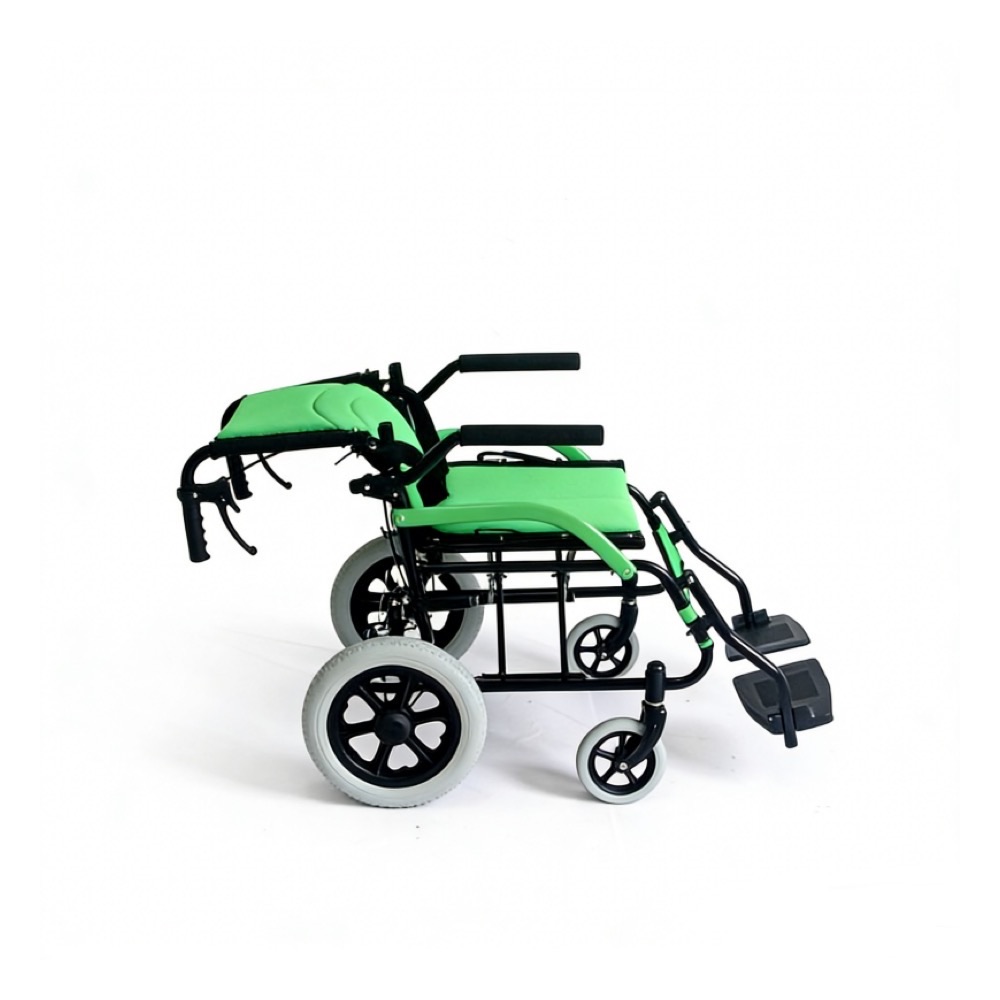
A transport wheelchair is made for assisted movement
A transport wheelchair is a manual wheelchair designed mainly for assisted movement. It is normally pushed by a caregiver, family member, attendant, or staff member instead of being used for independent self-propulsion over longer distances. The chair gives the seated person a practical way to move through a care environment, a building, or a short everyday route with support from another person.
That simple role is the best place to begin a product review. A team may need wheelchairs for patient movement inside a ward, visitor support, rehabilitation use, or movement between service areas. The right starting point is not a long list of features. It is the route, the person who will push the chair, and the kind of support expected during the journey. Those points help a buyer decide whether a transport-focused manual wheelchair is a sensible product direction.
The broader wheelchair range is useful at this early stage because it shows that manual and electric products serve different mobility needs. A transport wheelchair belongs in the manual side of that conversation. It should be reviewed as an assisted-movement product, not as a substitute for every kind of wheelchair.
Understand the role before reviewing products
A clear role keeps a product review calm and useful. Think about where the chair will travel, how often it will be used, and who will usually be behind it. A short route from a reception area to a consultation room creates a different discussion from a route that includes repeated journeys across a larger facility. The care setting also matters. A chair used for occasional support may be reviewed differently from one expected to serve a busy daily mobility route.
This is why the rehabilitation and mobility application page is a helpful first reference. It places the product inside a wider mobility discussion without assuming that one configuration fits every setting. A buyer can then move into the manual wheelchairs category with a clearer purpose in mind.
It also helps to keep the request focused. A transport wheelchair can be part of a wider order, yet it deserves its own review. The supplier needs to understand the intended use before discussing the published information for a selected product. That makes it easier for the buying team to compare useful answers rather than collect several descriptions that do not relate to the route they are planning.
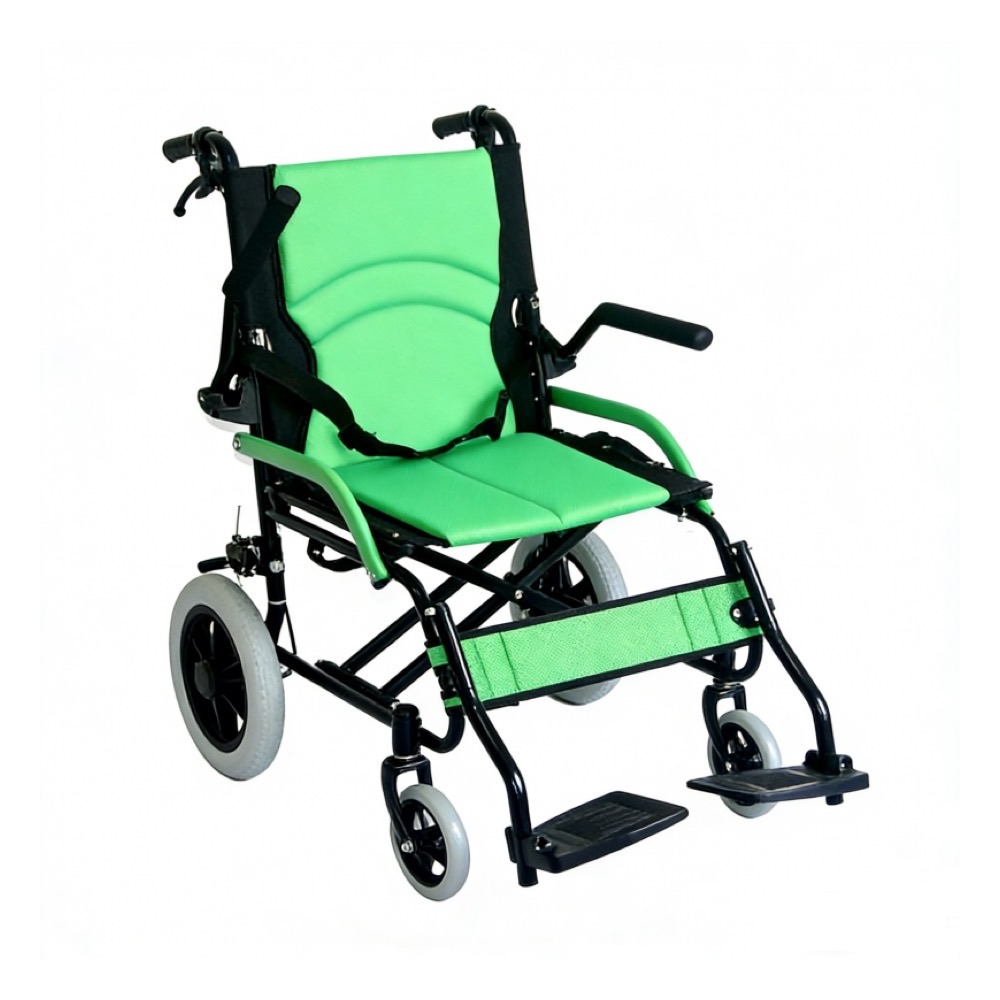
Transport wheelchairs and self-propelled wheelchairs serve different needs
The difference between a transport wheelchair and a self-propelled wheelchair begins with how the chair is expected to move. A transport wheelchair is usually chosen for a person who will receive help from someone pushing the chair. A self-propelled wheelchair is considered for a person who is expected to move the chair independently for at least part of the journey. Both are manual wheelchair directions, but they should not be treated as the same buying decision.
That distinction affects the questions a buyer asks. For assisted movement, the pushing route, caregiver handling, storage point, and transfer-side access may be more relevant than independent propulsion. For a self-propelled direction, the user’s own movement needs can become more important. A project may need both directions, but the review remains easier if each product is named by its intended role before product pages are compared.
A short transport wheelchair overview video can give a visual introduction to the general product category. It is not a source of specifications or a statement about Grace Medy products. Published information for the selected wheelchair should always be confirmed separately. The types of wheelchairs guide can also help a team separate manual and electric directions before narrowing the search.
Review the product direction with the everyday route in mind
The daily route gives a transport wheelchair review real context. Start at the place where the chair will be collected. Follow the likely path through doorways, waiting areas, corridors, lifts, service counters, and storage spaces. Then consider where the chair will be parked or folded between journeys. This does not require a complicated technical study. It is a practical way to identify what the product needs to support in normal use.
It is useful to involve the people who know the route best. A receptionist may notice a busy entrance. A ward coordinator may know where equipment is stored. A care team may explain where assisted movement begins and ends. These small observations can prevent a product review from becoming too abstract. They also help a buyer describe the requirement in clear everyday language rather than relying only on a product name.
The published Steel Transport Wheelchair page provides one transport-focused manual direction to review. Read the product page as information about that individual product, not as a universal description for all transport wheelchairs. Images, components, and other published points may vary across the manual wheelchair range. This keeps an early comparison honest and avoids carrying one product detail into another product discussion.
Grace Medy supplies wheelchair products for mobility-related requirements and can discuss the published information for a selected product against the route and project needs you share. The goal is not to make a broad product claim. It is to help the buyer move from a general search term to a product direction that can be checked carefully.
Prepare a clear transport wheelchair request
Once the route and product direction are clear, the request can stay short. State that you are looking for a transport wheelchair or another manual wheelchair direction. Add the intended care or mobility setting, the preferred product if one has already been identified, and the project needs that matter to your team. This gives the supplier enough context to respond with information related to the actual requirement.
A useful message does not need to predict every final choice. It can simply explain the part of the journey that needs support and the product direction the team is considering. If a decision still depends on an internal review, say so. That gives the supplier a clear basis for discussing published product information without presenting an early idea as a confirmed order.
If you are comparing more than one direction, keep the options separate in the request. For example, a manual transport wheelchair and an electric wheelchair should be discussed as different product paths. This makes it easier to ask for published product information, images, or packing details for the correct item. It also avoids an answer based on a broad category term that may not match the product you are reviewing.
Buyers who still need to organize the basics can use the wheelchair dimensions guide to understand which size-related points should be checked for a selected product. The wheelchair inquiry guide explains how to prepare a focused message without turning it into an unnecessarily long document. A clear request creates a better next conversation for everyone involved.
Continue your wheelchair product review
A transport wheelchair is easiest to select after its role is clear: assisted movement over the routes that matter to the people using and supporting it. From there, buyers can compare the wheelchair category and move into manual wheelchairs for a closer view of transport-focused options. If the requirement includes powered mobility as a separate product direction, the electric wheelchair category keeps that review distinct.
The next step is simply to share the intended wheelchair type, care or mobility setting, preferred product if known, and project needs. Use the inquiry page to begin the discussion. Final product information, configuration, packing, and delivery details should be confirmed for the selected wheelchair before purchasing.
Continue your product review
Review wheelchairs · Compare manual wheelchairs · Explore rehabilitation and mobility · Discuss a wheelchair requirement