
Buyer guide
How to Choose a Wheelchair
A practical guide to choosing a wheelchair by daily mobility needs, support level, route, and product direction.
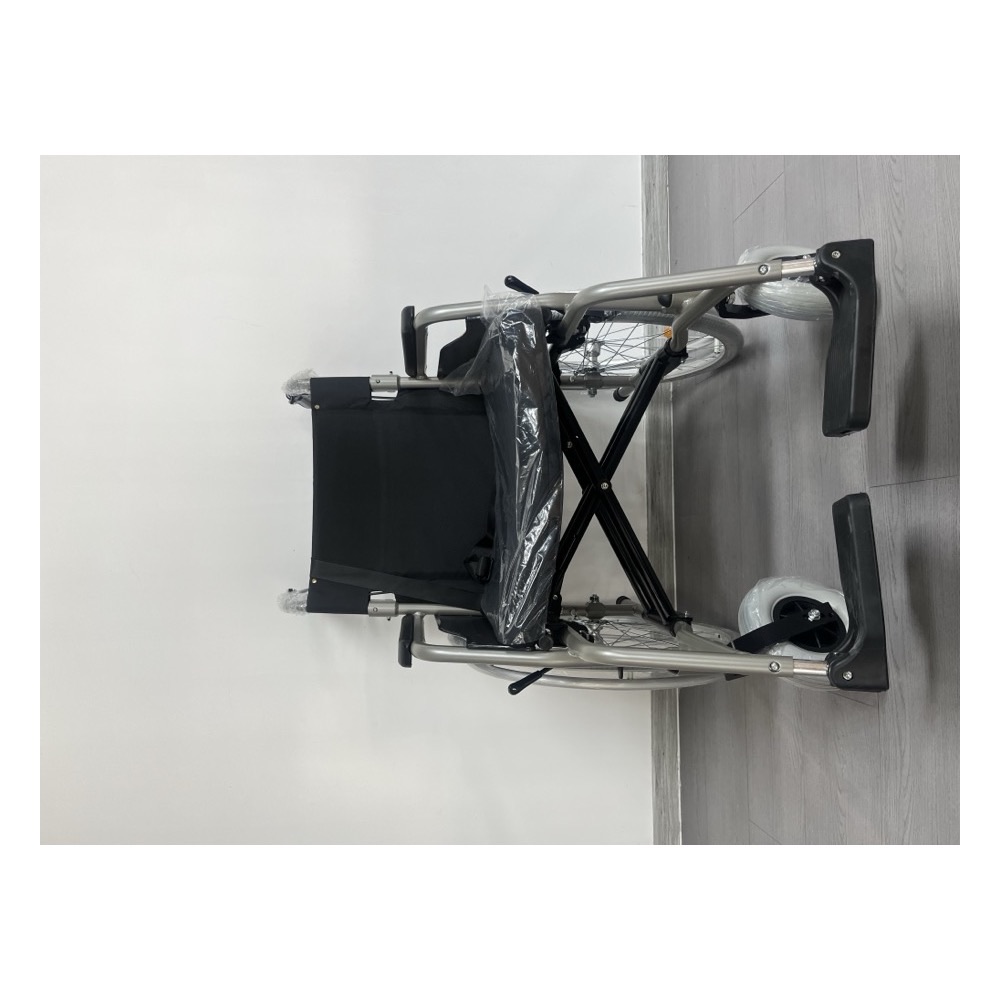
Start with the person and the daily journey
Choosing a wheelchair becomes much easier once the decision starts with daily movement instead of a long feature list. A wheelchair may be needed for assisted movement inside a care setting, for more independent mobility, for short transfers, or for a wider mobility project. These situations can look similar at first, yet they lead to different product directions.
The aim is not to find one wheelchair that suits every person or every setting. It is to understand the role the wheelchair needs to play, then compare the right group of products. Start with the wheelchair range to see the available directions, but keep the everyday journey in mind as you review it.
The first step is to understand how the wheelchair will be used during an ordinary day. Think about the journey from the point where the chair is collected to the places it needs to reach. This may include a reception area, a ward, a rehabilitation space, a waiting room, a service counter, or a vehicle drop-off point. The route is often more helpful than a broad product name.
It is also important to understand the level of support involved. Some wheelchair users will be assisted by a caregiver, family member, attendant, or staff member. Others may need a product direction that supports more independent movement. These are different starting points. Keeping them separate helps buyers avoid comparing products that were designed for different roles.
Decide whether independent or assisted movement is the priority
A key choice is whether the wheelchair will mainly be pushed by another person or whether the user is expected to move it independently for part of the journey. This is not a minor detail. It affects which category deserves attention first.
A transport-focused manual wheelchair is usually reviewed for assisted movement. The person pushing the chair, the route, and the places where the chair will be stored all become important. A transport wheelchair guide can help explain this direction in plain language. It is useful for buyers who need to understand why an assisted-movement product should not be treated as the same choice as every manual wheelchair.
A self-propelled manual direction may be considered differently. The review may place more attention on how the user will move the chair and how the chair fits into their everyday mobility routine. An electric direction is also separate. It should be reviewed for its own intended role rather than being added casually to a manual wheelchair comparison.
The manual wheelchair category and electric wheelchair category make this separation easier. Buyers can compare each direction with a clearer purpose instead of asking one broad question about every wheelchair type at once.
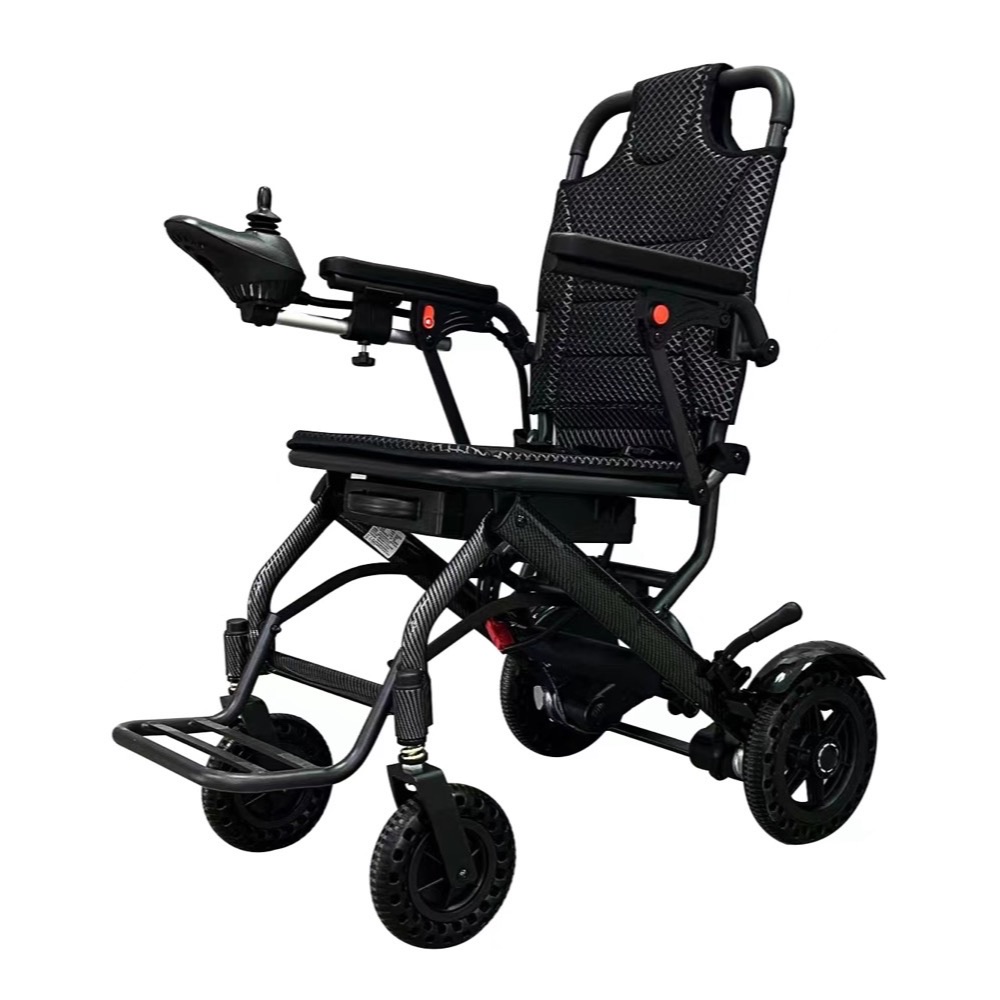
Match the wheelchair direction to the care setting
The setting shapes the product review. A wheelchair used for short trips inside a building may need a different discussion from one expected to support a regular mobility route. A rehabilitation area, a hospital ward, a reception space, and a patient-transfer route can each create different practical needs.
For example, a project may include wheelchairs for mobility support and separate products for patient movement between care areas. These should not be merged into one vague product request. The patient transfer application page helps show why transfer-related products and wheelchairs should be reviewed as separate directions, even if they are part of the same wider project.
The purpose of the setting is not to create a complicated checklist. It is to help the buyer choose the correct product conversation. If the route involves assisted movement in a ward or waiting area, a manual transport direction may be a sensible place to begin. If the requirement involves a different mobility need, the team can continue through the relevant wheelchair category before narrowing the selection.
The types of wheelchairs guide is useful at this stage because it separates the main manual and electric directions. It does not replace a product review. It gives buyers a clearer language for discussing what they need before they request details for a selected product.
Review the everyday route before comparing product pages
Once the intended direction is clear, look at the actual route. Start where the wheelchair will be collected. Follow the likely path through entrances, corridors, waiting spaces, lifts, service areas, and storage points. Consider who will push or handle the chair and where it will be placed between journeys.
This is a practical exercise, not a technical study. A receptionist may know where movement becomes busy. A ward coordinator may know where equipment is stored. A care team may understand where assisted movement starts and ends. Their observations can make the requirement much clearer than a product label alone.
The route also helps buyers understand why product information should be reviewed separately. A wheelchair dimensions guide can help explain which size-related points should be checked for a selected product. It does not provide one general measurement for every wheelchair. Dimensions, components, and other published information can vary between products and should be confirmed for the wheelchair being considered.
The same approach applies to product images. A published Steel Transport Wheelchair page can provide one manual transport direction for review. Its information belongs to that product. It should not be carried across to every manual wheelchair in the range.
Compare a product direction before asking for details
It is tempting to collect information from many wheelchair pages at once. This often makes the selection harder. A clearer method is to decide on the product direction first, then compare products within that direction.
For a manual wheelchair requirement, begin with the published manual category and identify the products that appear relevant to the intended route. For an electric requirement, keep the review within the electric category. If a project needs both, describe them as two separate requirements. This keeps the comparison focused and makes it less likely that product information will be mixed together.
Grace Medy supplies wheelchair products for mobility-related requirements. The most useful discussion begins after the buyer has explained the intended direction and setting. At that point, published product information can be reviewed against the actual requirement instead of against a broad search term.
A good comparison does not need to make a quick final decision. It can simply help the team move from a general category to a shortlist. The next discussion can then focus on the correct product, rather than on assumptions based on another wheelchair type. A short wheelchair overview video can support an early visual review. It introduces a general product direction only and is not a source of specifications or a statement about every Grace Medy wheelchair.
Prepare a clear next step
After the product direction is clear, the next message can remain straightforward. Explain the intended wheelchair type, the care or mobility setting, the preferred product if one is already known, and the project needs that matter to the team. This is enough to begin a useful product discussion.
If the team is still comparing directions, say so. It is better to describe an early review honestly than to request a final quotation for a product that has not yet been selected. A manual transport wheelchair and an electric wheelchair can be discussed in separate parts of the same inquiry, as long as their different roles are clear.
The wheelchair inquiry guide explains how to keep this message focused. It helps buyers share the relevant context without turning a simple request into a long technical document.
Choosing a wheelchair is ultimately about matching the product direction to the real journey. Start with the person, the level of support, and the route. Then move through the wheelchair category, review the most relevant direction, and use the contact page once you are ready to discuss a selected product. Final configuration, packing, delivery, and other product information should always be confirmed for the chosen wheelchair before purchasing.
Continue your product review
Review wheelchairs · Compare manual wheelchairs · Compare electric wheelchairs · Explore rehabilitation and mobility · Discuss a wheelchair requirement