
Buyer guide
How to Review Hospital Bed Side Rails
A practical guide to hospital bed side rail materials, structures, and the product-level questions to confirm before a ward-bed inquiry.
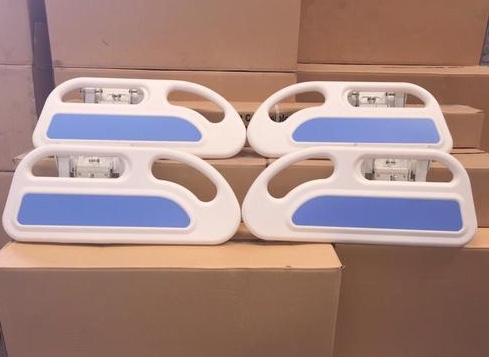
Hospital bed side rails should be reviewed as a product detail
Hospital bed side rails are easy to notice in a product image, yet they should not be treated as a universal feature shared by every hospital bed. A rail is one part of a complete bed configuration. Its material, shape, folding method, attachment point, and inclusion in the quoted configuration can differ from one product to another.
For this reason, a buyer should begin with the selected product direction rather than a general image search. The Hospital Beds category is a useful starting point because it separates manual, electric, and ICU-oriented bed directions. From there, the review should move to the individual product page.
A side rail can affect how a team describes the bed in its purchasing documents. The useful question is not simply whether a bed has rails. A clearer question is what rail structure is shown and listed for the selected bed, and whether it is included in the configuration under review.
A product photo can start that conversation, but it cannot confirm every detail. Published product information and supplier confirmation should stay connected to the same selected item.
Common hospital bed side rail types
Hospital bed side rails are often described by their material and structure. These descriptions help a buyer organize an initial review, but they are not a promise that every type is available for every hospital bed.
ABS side rails are a common product direction in hospital-bed information. ABS rails may appear as folding, concealed, or other integrated structures, depending on the bed design. The published Manual Care Bed page describes a four-folding concealed ABS safety side rail for that specific product. This information belongs to that product and should not be copied to every manual bed.
PP side rails are another plastic rail direction that buyers may encounter in market research. A buyer should still ask what the product page confirms about the actual material, structure, and included configuration. The general term PP rail does not establish the rail type for an unselected product.
Stainless steel side rails are often considered in metal-rail discussions. Their appearance, mounting method, and folding arrangement can differ significantly. A buyer should not assume that a metal rail is fixed, foldable, removable, or included in a quotation without checking the chosen model.
Aluminum alloy folding side rails are another common product-review term. The material may be relevant to an initial comparison, but it does not describe the full rail design. The folding direction, attachment method, and relationship to the bed frame still need product-level confirmation.
A material label is only one part of a useful review. Buyers should also ask how the rail is attached, whether its structure is shown on the selected product page, and which components are included in the configuration being discussed. This keeps an early material comparison connected to the actual bed rather than to a generic category term.
These are general product-review terms. They do not mean that every hospital bed uses the same rail material, or that every rail type is available on every Grace Medy model. Their purpose is to help buyers ask more precise questions before selecting a product.
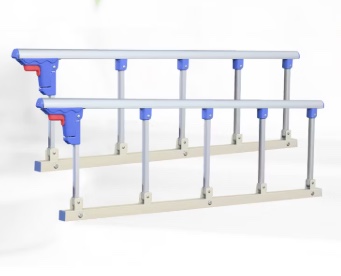
Review the rail design shown for the selected bed
After identifying a possible rail material or structure, the next step is to review it with the actual hospital bed. Start with the published product page. Look for a clear rail description, visible product images, and features listed for that model. If the rail matters to the project, record the product link and ask for confirmation against that same item.
The What Are the Parts of a Hospital Bed guide can help a buyer keep this review organized. It places rails alongside other visible components such as the bed frame, mattress platform, head and foot boards, casters, braking arrangement, and controls. A rail is easier to assess once it is seen as part of the whole bed rather than as a separate accessory.
A manual bed should be read through its own information. The Manual Hospital Bed direction may show a different component layout from the Electric Hospital Bed direction. Powered adjustment alone does not establish a specific side rail material or folding mechanism. Likewise, an ICU-oriented bed should be reviewed from the published information in the ICU Hospital Beds category rather than from a general ward-bed example.
Imagine a purchasing team reviewing two product pages before a ward update. Both beds appear to have side rails in their images. One page clearly lists an ABS folding rail. The other page does not describe the rail at all. The team should not mark both beds as having the same rail configuration. A better approach is to add a note beside the second model: confirm rail material, structure, and inclusion. This is a general planning example, not a customer case.
Review rails together with the rest of the bed
A side rail review becomes more useful once it is connected to the other product details that affect the same purchasing decision. The rail should be considered alongside the bed frame, boards, caster arrangement, brake system, and adjustment direction shown for the selected model.
For a manual product, a buyer may also need to understand the published crank arrangement. The What Is a 3 Crank Hospital Bed article explains why a three-crank description is a starting point for a manual-bed review, not a complete description of every component. A product can have manually adjusted functions and a rail arrangement that differs from another manual bed.
The same principle applies to bed height, size, and weight. The High Low Hospital Bed guide helps readers understand height-adjustment terminology, while the Hospital Bed Size Guide and Hospital Bed Weight Guide keep dimension and weight questions tied to the selected product.
A buyer can identify the intended bed direction, open the relevant product page, note the rail description and other visible components, then list the points that need a supplier response.
Turn a side rail requirement into a clear inquiry
A clear inquiry helps a supplier respond to the actual project requirement. Instead of writing only hospital bed with side rails, a buyer can identify the preferred hospital bed product or product direction and ask for confirmation of the rail details that matter to the review.
The inquiry can state the intended ward or care setting, the preferred product link if one has been shortlisted, the expected quantity, the destination, and the rail information to be confirmed. It can ask whether the selected product's rail material and folding or fixed structure are included in the current configuration. This approach leaves room for an accurate product-specific answer without implying that final packing, price, delivery, or accessories have already been agreed.
For example, a team may initially write that it needs beds with side rails. After reviewing the product information, it can send a more useful request: please confirm the side rail structure and current included configuration for this selected manual hospital bed for our ward project. This is a general example of a clearer purchasing request, not a real project result.
The Compare Hospital Bed Models guide can support this stage. It helps a buyer place each shortlisted model in its own comparison column instead of combining rail information, dimensions, and functions from different products. The Hospital Wards page can also provide useful context for describing the intended setting.
Confirm the selected configuration before purchasing
A hospital bed side rail should be confirmed as part of the selected bed configuration. It should not be assumed from a category name, a similar-looking product photo, or a general market term. The final review should connect the rail to the exact product under consideration.
Grace Medy can discuss current published hospital-bed information after the buyer has identified the intended setting and product direction. A focused request gives both sides a clearer basis for reviewing the visible rail structure, listed components, and details that still require confirmation.
Before purchasing, return to the selected product page, check the current published information, and keep all requested details tied to that same item. Use the Hospital Beds category if the product direction still needs narrowing. Once a specific product is under review, the Contact Grace Medy page is the right place to share the requirement and request confirmation.
The practical next step is simple: choose the bed first, then confirm the side rail material, structure, and included configuration for that exact product.
Continue your product review
Review hospital beds · Explore a manual hospital bed direction · Review a manual care bed · Explore an electric hospital bed direction · Read about hospital bed parts · Compare hospital bed models · Explore hospital ward planning · Discuss a hospital bed requirement