
Buyer guide
What Is a Crash Cart
A practical B2B guide to understanding crash carts, comparing emergency trolley options, and preparing a focused product inquiry.
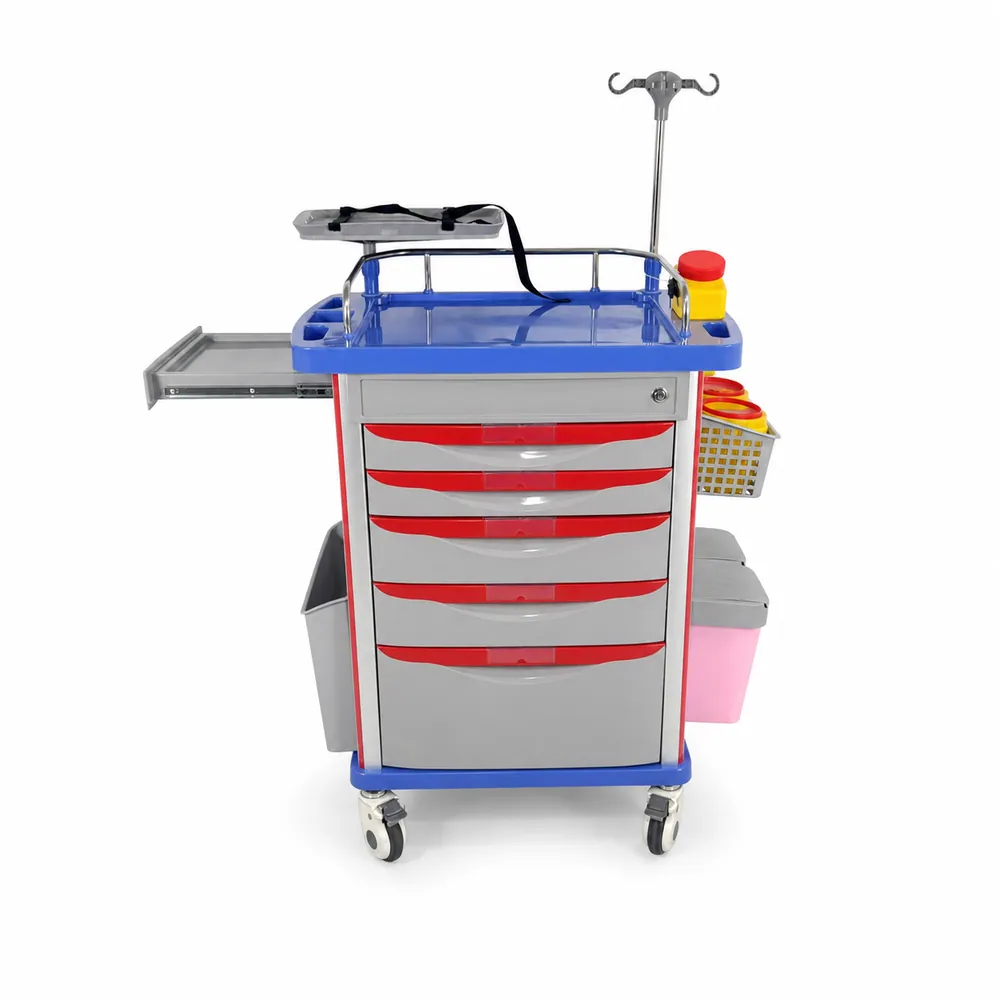
A crash cart is an emergency trolley
A crash cart is a mobile emergency trolley used in a hospital emergency-care setting. Buyers may also see the terms code cart, emergency trolley, or medical cart. The name can vary, but the purchasing path is simple: match the trolley to the intended care area and the information the project needs. Start with the published emergency trolley category, then move to the relevant product page.
Start with the care area and product purpose
State where the trolley will be used and what the purchasing team needs it to support. The emergency-care application page can help buyers describe that setting. It directs the review toward a published emergency trolley or medical cart that fits the project.

Compare a selected trolley instead of a general term
Compare the information shown for the selected trolley. Review product images, a product identifier, dimensions, materials, caster details, storage information, or packaging information where it is published for that item. A published emergency trolley model supports a focused review. It does not mean every crash cart has the same layout or configuration.
Keep emergency and transfer products separate
An emergency trolley supports an emergency-care product requirement. A patient transfer product supports movement between care areas. Projects that include both can review the separate patient transfer stretchers category and the patient transfer application. This keeps each product discussion clear.
Prepare a focused emergency trolley inquiry
Share the intended product direction, preferred product if known, quantity, destination, care setting, and the information required for review. Buyers can also read how to compare emergency trolley options before using the inquiry page to start a product-specific discussion. Grace Medy can discuss published emergency trolley information against the stated procurement requirement.