
Buyer guide
What Is a Hospital Bed
A practical guide to the hospital bed term, the product directions it can describe, and the information to confirm before an inquiry.
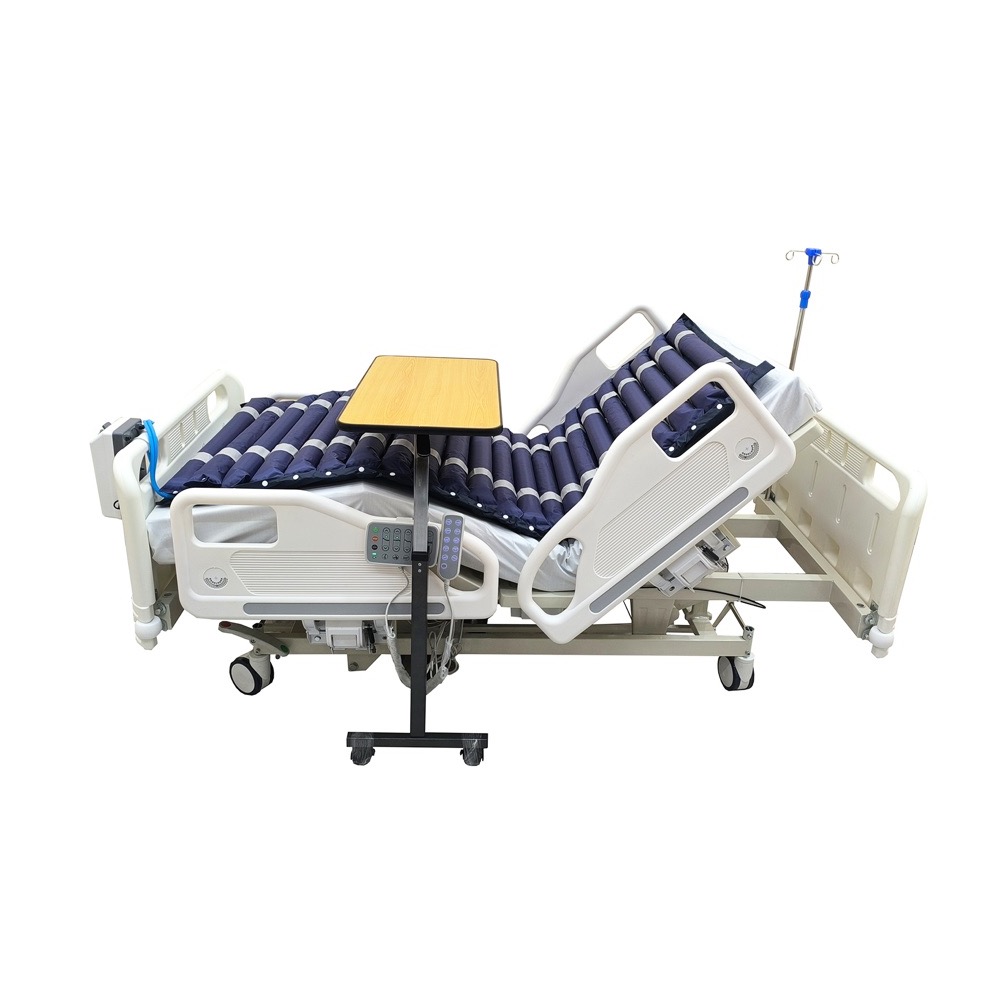
What a hospital bed means
A hospital bed is a bed product intended for healthcare and care environments. It is usually reviewed as part of a wider equipment plan rather than as an isolated piece of furniture. The product may be considered for a ward, a care room, a rehabilitation setting, or another environment where the bed needs to suit a defined care routine.
The phrase sounds simple, but it does not describe one fixed product. It does not confirm a single size, function set, material, rail design, adjustment method, or patient-use direction. A hospital bed is a broad category. The useful next step is to understand the product direction that fits the setting before comparing individual pages.
A buyer may begin with a search for hospital bed because the project is still at an early stage. That is perfectly reasonable. The goal is not to collect every available feature. It is to move from a broad term toward a clear product conversation. The Hospital Beds category is a practical place to start because it brings the current product directions together without assuming that one model fits every requirement.
A hospital bed should also be discussed through the actual product information for the selected option. A photograph can introduce a product direction, but it cannot replace the published details for that product. Dimensions, functions, materials, accessories, packaging, and other details may vary. Those points should be confirmed only after a buyer has narrowed the selection.
A hospital bed is not one fixed product
Different care environments create different product discussions. A bed reviewed for a general ward may not be approached in the same way as one being considered for a higher-acuity care area, a nursing environment, or a project with specific room-planning needs. The bed category stays the same, but the decision path changes.
The first distinction is often between a manual direction and an electric direction. A Manual Hospital Bed can be reviewed as one published product direction. An Electric Hospital Bed can be reviewed separately. Neither page should be treated as a universal description of every hospital bed in the category. They are starting points for comparing the right type of information.
Think of a project team opening two hospital-bed pages side by side during an early equipment review. One person is looking at the intended care setting. Another is thinking about the available room. A third wants to know which product information must be confirmed before an inquiry. They do not need to decide everything immediately. They simply need to identify the product direction first. This is a general planning example, not a customer project or result.
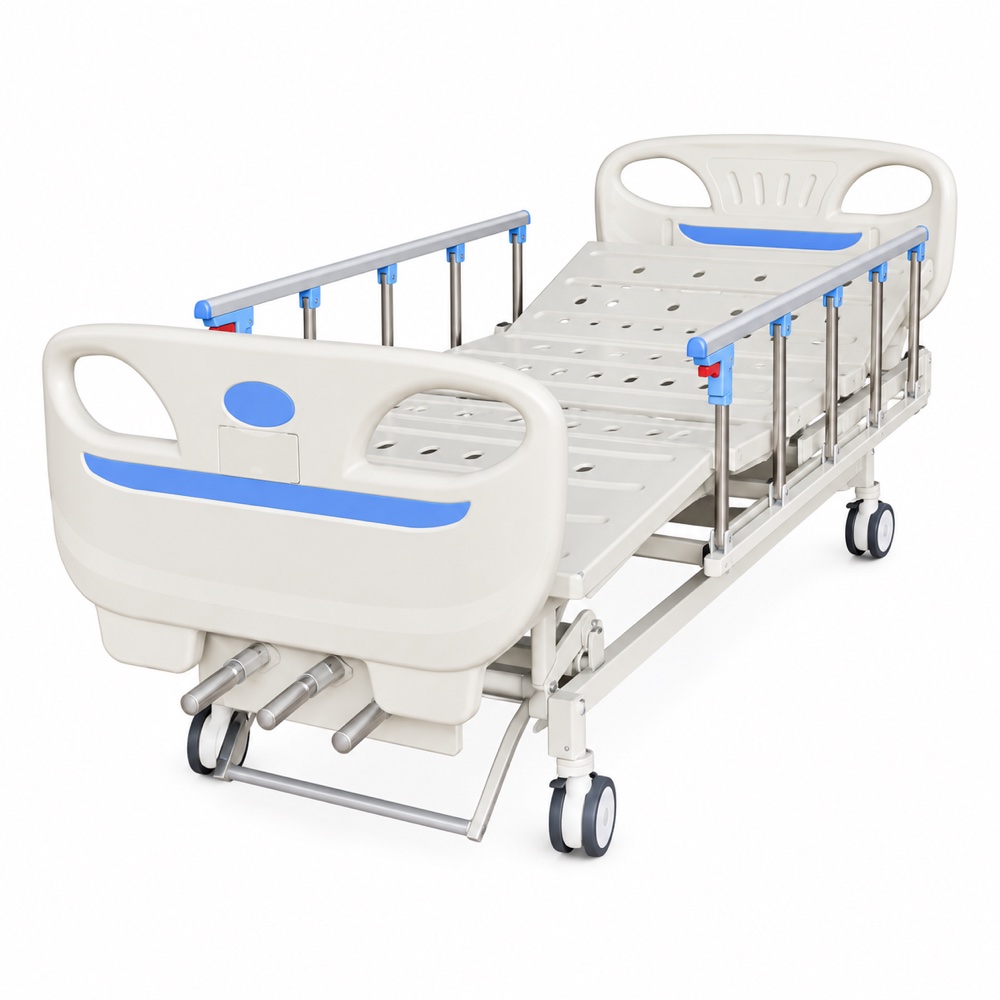
Start with the care setting
The care setting is the most helpful starting point because it gives meaning to the product request. A ward, a nursing area, a rehabilitation environment, and an ICU-related requirement can lead to different discussions. The setting influences which information matters first, even before a buyer looks at individual specifications.
For a ward-oriented discussion, a buyer may begin by considering the daily care environment, the expected product direction, and how the bed fits into the wider room plan. For a nursing or long-term care environment, the conversation may place more attention on the routine of care and the product direction that the team wants to review. For a more specialized setting, the buyer may need to identify the required product category before asking for model-specific information.
The setting also helps separate hospital beds from related equipment. A project may include bedside furniture, patient-transfer equipment, wheelchairs, or medical trolleys. Those products may sit within the same purchasing plan, yet they serve different roles. Keeping the hospital-bed requirement clear from the beginning makes the next conversation easier for everyone.
The question does not need to be technical. A short description can be enough: the intended care area, the product direction being considered, the quantity range if known, and any project requirement that affects the choice. That is much more useful than sending only the words hospital bed and expecting every detail to be guessed.
Understand the main product directions
The main product directions are useful because they help buyers reduce a wide search into manageable choices. Manual and electric hospital beds are not simply different names for the same product. They are separate directions that should be reviewed against the expected care routine and the information available for the selected product.
A manual bed direction may be appropriate for a buyer beginning with a published manual product range. An electric direction should be reviewed on its own terms. It should not be assumed that an electric bed includes the same details as every other electric bed. The buyer can first compare the available product direction, then ask for the information that applies to the shortlisted option.
This is where a broad category page becomes valuable. It lets a buyer see the available hospital-bed direction before moving into a detailed product discussion. It also prevents a common problem: comparing a feature from one product with a different product that was designed for another setting.
The purpose is not to create a long feature checklist. It is to identify the product conversation that belongs to the project. A buyer may decide that a manual direction should be reviewed first. Another may need to focus on electric beds. A project may require more than one direction, but those requirements should still be discussed separately so that product information is not mixed together.
For a closer look at how product direction affects a project comparison, readers can continue to How to Compare Hospital Bed Models for a Healthcare Project. That guide begins after the buyer has moved beyond the broad category and is ready to compare relevant options.
Review a selected bed with product-specific information
After the product direction is clear, the next step is to review information for the selected bed. This is the point where broad words such as hospital bed, manual, or electric need to become a focused product request.
Dimensions are one example. A buyer may need to understand how a bed relates to the planned room, circulation space, mattress arrangement, or surrounding furniture. There is no single measurement that should be applied to every product in the category. The Hospital Bed Size guide explains why dimensions should be confirmed for the relevant product rather than assumed across the range.
The same principle applies to weight, components, and configuration. The article on hospital bed weight can help buyers understand why weight information belongs to the selected product. The guide to parts of a hospital bed helps readers recognize the kinds of components that may need review. Neither guide replaces the product-specific material for the chosen bed.
A buyer might need to check a rail arrangement, adjustment direction, head and foot board, caster configuration, or another detail. The right response is not to assume it appears on every bed. It is to request the current product information for the shortlisted option. That simple habit keeps a project discussion accurate and avoids carrying details from one page onto another.
Move from a broad search to a clear inquiry
A good inquiry does not need to read like a technical document. It simply needs to give the product discussion a useful direction. Start with the intended care setting. State whether the team is reviewing a manual or electric hospital-bed direction. Add a preferred product if one is already known, along with the key project requirement.
This approach helps a supplier respond with relevant information instead of a generic category description. It also helps the buyer avoid spending time comparing products that do not match the intended setting. The request can remain short and clear.
For example, a buyer may say that the project involves ward beds, that the team is reviewing an electric direction, and that it needs to compare current published information before making a shortlist. That is enough to begin a useful conversation. It does not require unsupported assumptions about final configuration, delivery, price, or product availability.
Readers still at the comparison stage can return to the Hospital Beds category and review the product directions already published. Readers ready to discuss a specific requirement can use the contact page to share the care setting, preferred direction, and project needs.
A hospital bed is not one fixed product. It is a category that becomes useful only after the setting and the product direction are clear. Start with the real care environment, narrow the choice through current product information, and confirm the details that belong to the selected bed before purchasing.
Continue your product review
Review hospital beds · Explore a manual hospital bed direction · Explore an electric hospital bed direction · Read hospital bed types · Discuss a hospital bed requirement