
Buyer guide
What Is a Semi Electric Hospital Bed
A practical guide to the semi electric hospital bed term, the product directions it can describe, and the information to confirm before an inquiry.
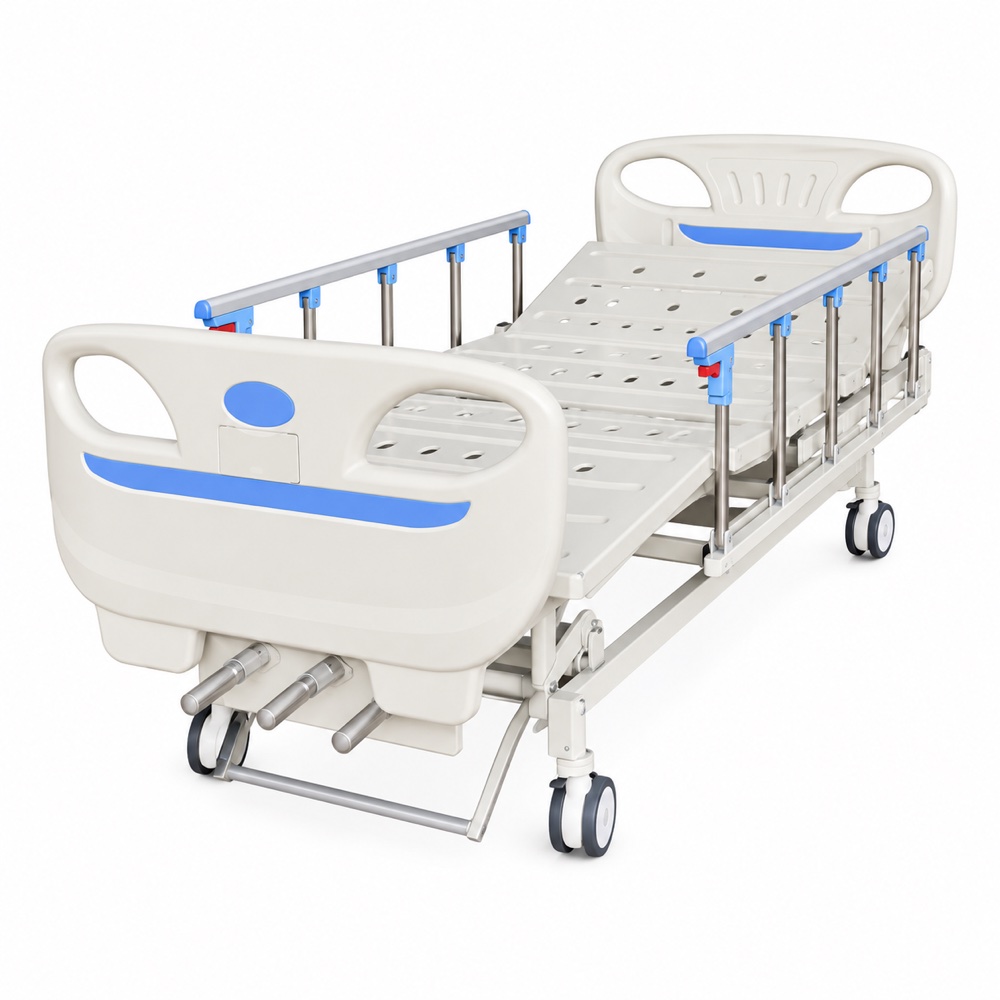
What the semi electric hospital bed term usually means
A semi electric hospital bed is a term often used to describe a hospital-bed direction that combines manual and electric adjustment. The term is useful for starting a conversation, but it is not a complete product specification. Different suppliers may use it in different ways. The exact adjustment arrangement, controls, components, and intended setting must be confirmed for the selected product.
That point matters because buyers may see semi electric in a product list and assume they already understand the bed. They may assume that the same functions are included on every product with that name. In practice, a product name does not replace current product photos, a specification sheet, or a clear description of the supplied configuration.
The broad Hospital Beds category is a good place to begin an early review. It helps buyers see the published product directions before they attach a fixed meaning to one search term. A semi electric hospital bed should be treated as a direction that needs clarification, not as a promise of a particular feature set.
The most useful first question is simple: which parts of the product direction are expected to be manually adjusted, and which parts are expected to be electrically adjusted? The supplier should answer that question using the information for the product under discussion. If the product has not yet been selected, the buyer can state the intended care setting and explain what adjustment direction the team is trying to review.
Why the term needs product-specific confirmation
A hospital bed category contains many possible product directions. The words semi electric may appear familiar, but they cannot confirm dimensions, materials, rail arrangement, mattress type, controls, or any other detail. Those details belong to the selected product, not to the term alone.
This is especially important during an early project review. A purchasing team may be comparing several product directions at once. One person may be looking at room planning. Another may be checking the expected care routine. Someone else may be preparing a product shortlist. If the team copies a feature from one bed into the requirements for another, the inquiry can become unclear before the product comparison even begins.
A better approach is to keep two ideas separate. First, use the term semi electric hospital bed to explain the general direction being considered. Second, use current product materials to confirm the actual configuration. This keeps the inquiry honest and makes it easier for the supplier to share relevant information.
The article What Is a Hospital Bed explains why a hospital bed is a broad product category rather than one fixed product. It is a useful starting point for readers who are still deciding which direction belongs to their project. The Types of Hospital Beds guide can then help them continue from a broad category review into more focused product directions.
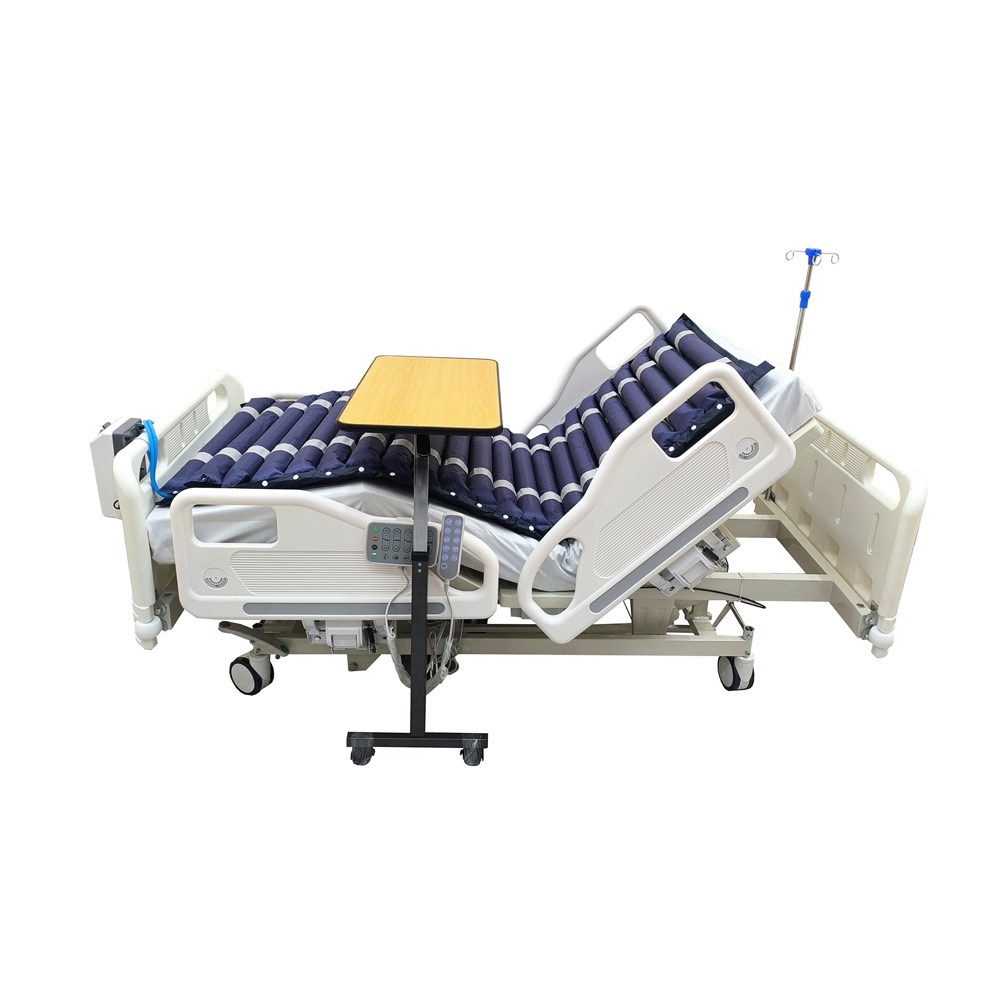
Semi electric and manual hospital bed directions
A manual hospital bed direction is normally reviewed through the published product information for a manual product. The buyer may be looking at the adjustment method, the care setting, the components shown in the source material, and the practical requirements for the project. A semi electric direction should not be described as a manual bed with one extra feature. It is a separate product conversation.
The published Manual Hospital Bed page can help a buyer understand one current manual product direction. Its information belongs to that product. It should not be used as a general specification for every manual bed, and it should not be used to define a semi electric hospital bed.
The difference is not about making one direction sound better than another. It is about matching the product discussion to the intended care environment. A team may prefer to start with a manual direction because that is the relevant category for its project. Another team may need to ask whether a mixed adjustment direction is available for review. Both conversations become clearer once the buyer avoids treating category names as final specifications.
Consider a general ward-planning discussion. The team may know that it wants to compare adjustment approaches, but it may not yet know the final product configuration. The practical next step is not to assume the answer from a product photo. It is to write down the required care setting and the adjustment questions, then ask the supplier which current products and documents are relevant. This is an illustrative planning situation, not a claim about any particular hospital or buyer.
Semi electric and electric hospital bed directions
An electric hospital bed direction should also be reviewed through the information for the selected product. It is not safe to assume that the word electric means the same thing across every product in a category. Published functions, components, and product layout can vary. The buyer should confirm the actual direction from the current materials.
The Electric Hospital Bed page provides one published electric product direction for review. It can help a buyer begin a focused conversation about an electric product. It does not define every electric hospital bed, and it does not prove that a semi electric hospital bed has the same arrangement.
This distinction helps prevent a common comparison problem. A buyer may place a manual page, an electric page, and an unfamiliar semi electric term in the same spreadsheet. The labels can look like a simple sequence, yet they may represent different product conversations. The team should compare only the information that is confirmed for each shortlisted product.
For an early comparison, readers can use How to Compare Hospital Bed Models for a Healthcare Project to organize the review. The guide is useful after the buyer has identified which directions are relevant. It helps keep product-specific information connected to the correct model rather than mixing details across a whole category.
Start with the care setting and daily routine
The care setting gives a semi electric hospital bed inquiry its context. A ward, nursing environment, rehabilitation space, and other care setting may each require a different product discussion. The setting influences which questions should come first.
A buyer can begin with the likely daily routine. Will the bed be reviewed for a general ward, a nursing area, or another care environment? Is the team comparing a manual direction, an electric direction, or a mixed adjustment direction? Is there a current product page that the team wants to discuss? These questions do not require clinical advice. They simply help create a better equipment brief.
Space-related information may also be important, but it should be confirmed for the chosen product. The Hospital Bed Size guide explains why a buyer should not apply one bed's dimensions across an entire category. The same principle applies to bed weight, accessories, and other product details.
The hospital bed weight guide can help readers understand why product weight needs model-specific confirmation. It is not a source for estimating every bed in a project. Product information must remain connected to the selected option.
Turn a broad term into a clear inquiry
A semi electric hospital bed is best treated as a product term that needs clarification before selection. It can help a buyer describe a mixed manual-and-electric direction, but it cannot replace the information for a specific product.
Before requesting a quotation or a detailed comparison, share the intended care setting, the product direction under review, a preferred product if one is known, and the project needs that matter most. This helps the supplier respond with relevant materials instead of a generic description.
Grace Medy can support a hospital-bed product discussion once the buyer has explained the direction being reviewed. If the requested semi electric direction is not represented in the public product range, the first step is to confirm what current product information is available. No configuration, pricing, packing, delivery, or other product detail should be assumed before that review.
Readers can return to the Hospital Beds category to review current published directions. Once the requirement is clear enough for a product discussion, the contact page provides a direct way to share the care setting and the information the team needs to confirm.
The decision becomes simpler after the broad term is separated from the final product. Confirm the direction first. Then review the selected product's current information. This gives the buyer a sound basis for the next conversation and avoids asking a product name to answer questions that only the product documentation can answer.
Continue your product review
Review hospital beds · Explore a manual hospital bed direction · Explore an electric hospital bed direction · Read what a hospital bed means · Discuss a hospital bed requirement