
Buyer guide
ICU Bed Maintenance Checklist A Hospital Guide
A practical guide to cleaning accessible surfaces, observing ICU bed components and adjustments, recording concerns, and requesting model-specific instructions.
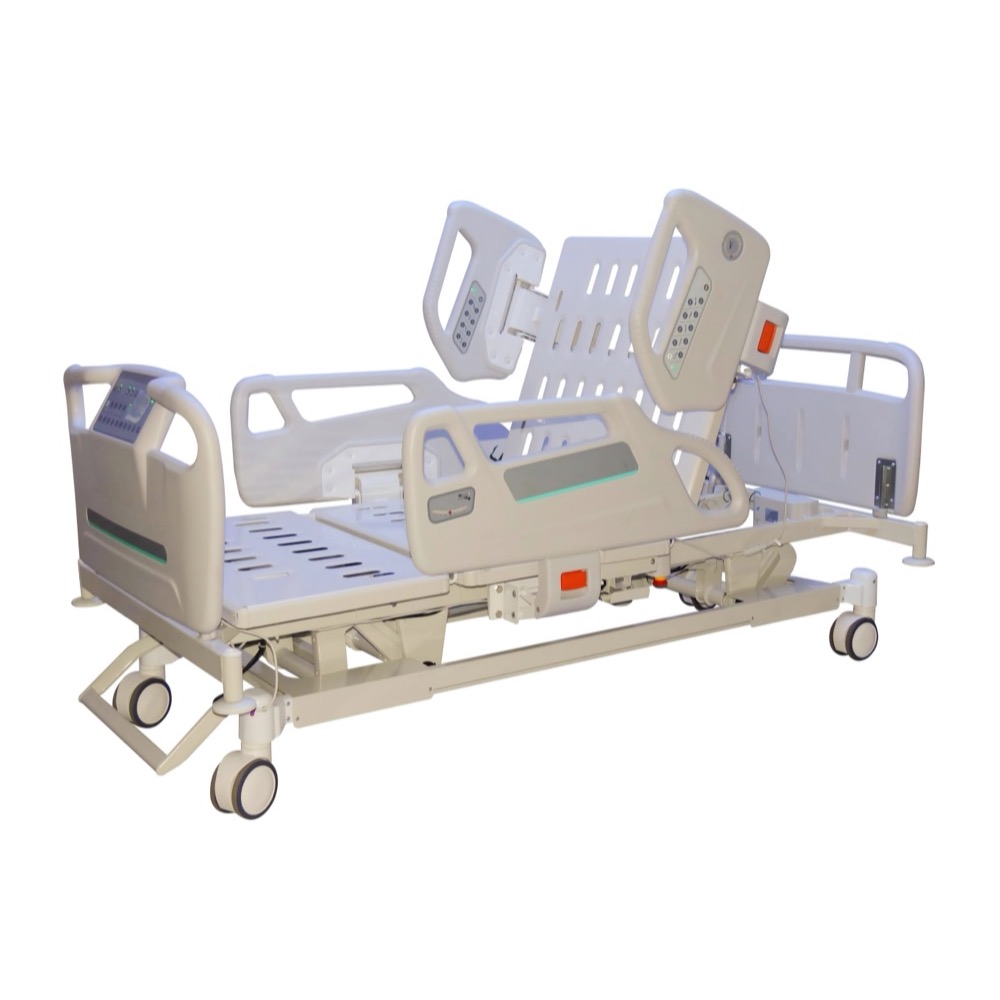
Why ICU Beds Need a Regular Check
An ICU bed is used through many ordinary moments in a hospital: a surface is wiped, a rail is moved, a bed is repositioned, or a control is pressed. Small changes are easier to notice during those moments than after a problem interrupts use. A practical maintenance routine starts by paying attention to the bed, recording anything unusual, and passing the information to the person responsible for equipment care.
This guide covers general observations that hospital staff can use when reviewing an ICU bed. It does not set a cleaning schedule or replace the instructions for a particular model. Cleaning products, inspection intervals, and service work should follow the hospital's procedures and the selected bed's instructions. The FDA's hospital bed guidance discusses reassessment when components are worn, damaged, changed, or replaced.
Begin by identifying the bed. The product name or model, its hospital asset number if one is used, and its location help the next person find the right equipment. This matters in an area with several beds that look alike. A note tied to one bed gives the equipment team a clearer starting point than a report about the ICU in general.
A check should also consider what may have changed around the bed. A mattress, rail, or accessory may have been replaced. Those changes can affect how parts of the bed system fit together. The FDA's bed safety FAQ identifies worn rails and changes to mattresses or accessories as reasons a bed system may need reassessment. Staff should pass such changes to the people responsible for the hospital's bed safety process.
The aim is a dependable flow of information. Notice what can be seen during normal work, identify the bed, and report the concern. Detailed testing and repair belong to the appropriate personnel using the relevant product instructions.
Clean the Bed’s Accessible Surfaces
Visible dirt or a spill should be dealt with promptly under the hospital's cleaning procedure. Accessible areas may include the bed platform, head and foot boards, side rails, and the outside of a control unit. The person cleaning the bed should use the products, method, and protective measures specified by the hospital and the bed manufacturer.
Pay attention to edges and areas people touch often. A quick glance across the centre of a bed may miss marks near a rail, board, or control. Looking across the accessible surfaces before and after cleaning makes it easier to see whether further attention is needed. It also gives staff an opportunity to notice a crack, damaged covering, or another visible change that should be reported.
An electric bed needs care around electrical components. The suitable cleaning method and any limits on liquid use belong to the model's instructions. Do not assume that a cleaning product approved for another bed is suitable here. A published Hillrom ICU bed instruction manual, for example, provides cleaning directions for that particular product; it is not a cleaning instruction for a Grace Medy model.
For a purchasing team, cleaning is also a useful product-information question. Ask for the current cleaning and care instructions for the exact ICU bed being considered. Keep that document with the selected model so the staff responsible for the bed can find the correct guidance later.
Check Rails, Casters, Brakes and Cables
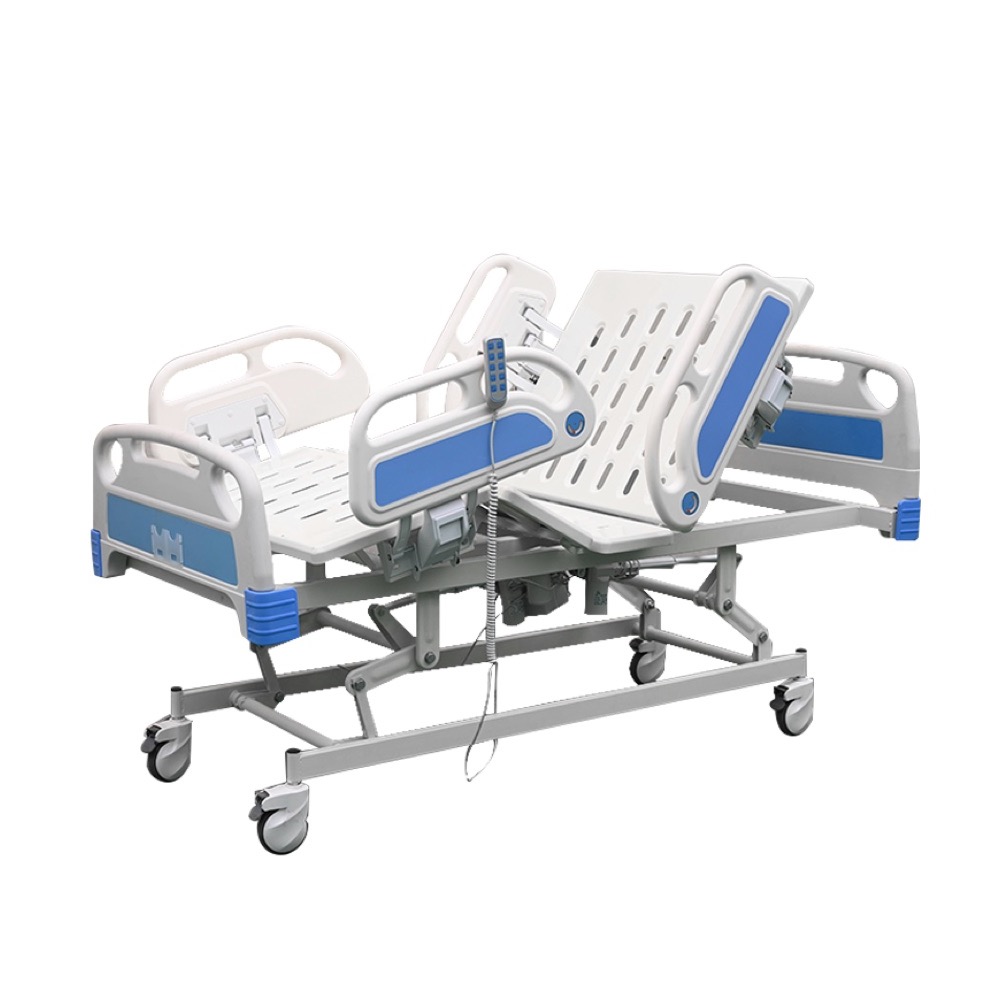
Side rails are easy to see, but a photograph cannot tell staff whether a rail on a bed in use has become damaged. During an ordinary visual check, look for an obvious crack, missing part, unusual movement, or another change from the expected condition. If something appears wrong, identify the bed and report it. The FDA's hospital bed safety information specifically notes damaged or wobbling rails as reasons for reassessment of a bed system.
For an electric ICU bed, include the visible power cable and plug in the check. A split covering, exposed wire, bent plug, or other obvious damage should be reported according to the hospital's equipment procedure. Staff should not attempt a cable repair. The selected bed's instructions and the hospital's equipment team determine the next action.
Keep these observations tied to the actual model. The Grace Medy ICU Hospital Beds collection shows several product options, and visible components can differ. The article How to Review Hospital Bed Side Rails helps buyers identify rail designs during product selection; the maintenance record must describe the rail on the bed that is actually present.
A useful report uses plain words: which part looked unusual, what was noticed, and where the bed is located. That gives the next person something concrete to inspect.
Observe the Bed’s Electric Adjustments
An ICU bed's adjustment functions deserve attention during normal operation. If an expected movement does not respond, stops unexpectedly, produces an unusual sound, or seems different from the bed's usual behaviour, record the observation and follow the hospital's reporting process. Do not keep pressing a control to force a response or try to identify an electrical fault by opening the bed.
The functions to observe depend on the model. Grace Medy's published Electric Critical Care Bed, for example, lists motorized back-rest and knee-rest adjustment, height adjustment, and two directions of whole-bed tilt. That product information helps identify the named movements for this example model. It does not establish the adjustment or testing procedure for every ICU bed. The article How Many Functions Does an ICU Bed Need? explains those movements in more detail.
It helps to distinguish an observation from a diagnosis. “The height control did not respond during normal use” describes what happened. “The motor has failed” claims a cause that the observer may not be able to verify. A precise description of the behaviour gives the equipment team a better starting point than a guessed repair.
This part of the routine should remain within each person's role. Ordinary staff can notice and report an unexpected response. Testing, troubleshooting, and returning a bed to service should follow the hospital's process and the relevant manufacturer instructions.
Keep a Simple Maintenance Record
A short record helps turn a passing observation into an action the team can follow. It can include the date, bed model or asset number, location, part or function involved, what was noticed, who received the report, and the current status. Use the hospital's existing record system if it has one.
Imagine an illustrative situation: a staff member notices that one bed's side rail moves differently from the others during normal work. They record the bed number, location, time, and what they observed, then notify the responsible team. This is a general example, not a customer case. The written note allows the next person to find and review the correct bed rather than search an entire room.
Records also help when more than one issue is reported. A cleaning concern and a control concern may belong to the same bed, but they call for different follow-up. Keeping the descriptions separate makes it easier for the appropriate people to respond. A completed repair or inspection should be recorded by the person authorized to carry it out, according to the hospital's process.
Know When to Request Model Specific Instructions
Daily observation cannot answer every maintenance question. A damaged component, recurring adjustment problem, replacement part, or planned service task requires information for the selected model. The hospital should consult its responsible equipment personnel and the applicable product documents before deciding what work is needed.
The Hospital Bed Maintenance Guide explains how to keep product information connected to the right bed. That matters especially when a hospital owns several similar-looking models. Instructions for one bed should not be assumed to apply to another.
A request to a supplier is more useful if it names the model and describes the issue. Include what was observed, the part or function involved, and the document or clarification needed. If the request concerns a Grace Medy product, the team can contact Grace Medy with those details and ask for information applicable to that bed.
A workable ICU bed maintenance routine is straightforward: clean accessible surfaces according to approved instructions, notice visible changes in components and electric adjustments, record concerns, and send them to the responsible team. The routine helps staff act on what they can observe while keeping cleaning methods, testing, and repair tied to the actual model and hospital procedure.
Continue your product review
Explore ICU hospital beds · Review hospital bed maintenance information · Ask about a selected ICU bed