
Buyer guide
What Is a Standard Wheelchair
A practical guide to understanding the standard wheelchair term and reviewing the right product direction before an inquiry.
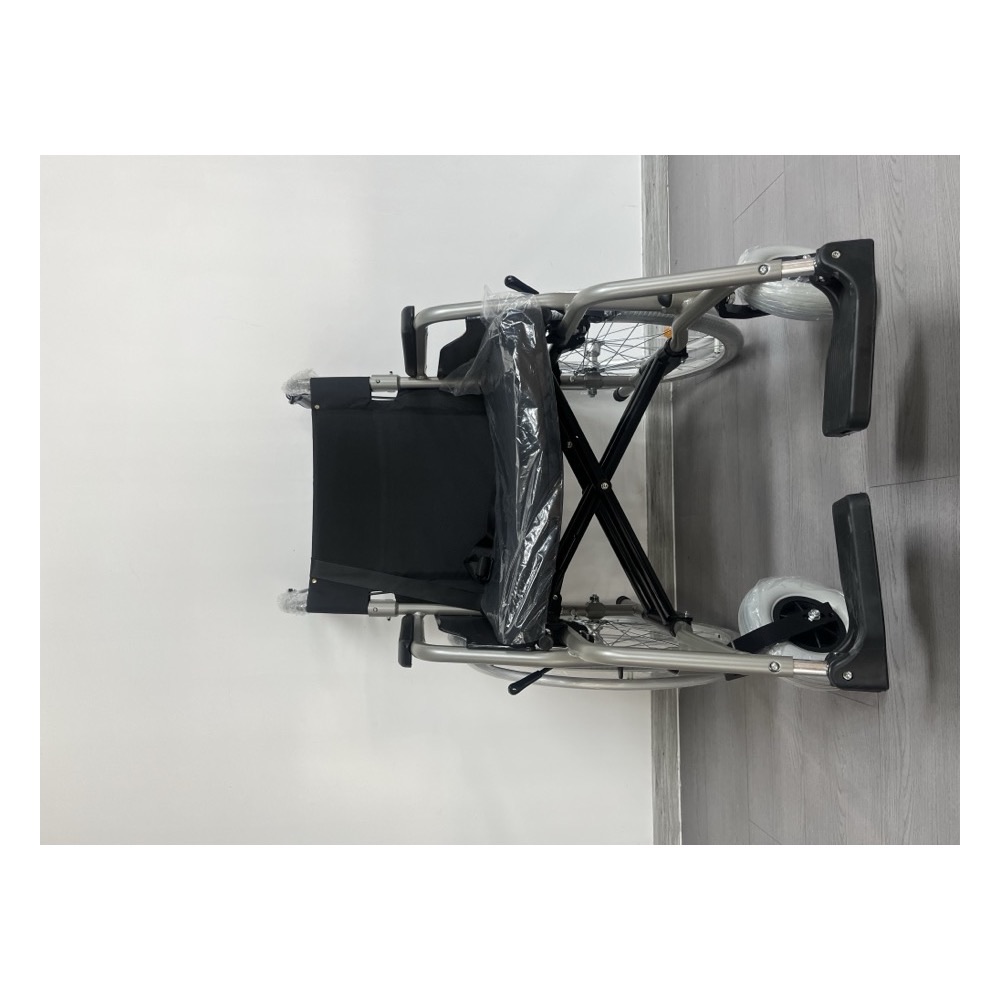
Standard wheelchair is a broad product term
A standard wheelchair is a familiar term, but it does not describe one fixed product. Different buyers use it in different ways. Some mean a general manual wheelchair. Others mean a chair they expect to see in a care setting, a rehabilitation space, or a daily mobility program. The term can be useful for starting a conversation, but it is not enough to define the final product.
The clearest approach is to treat standard wheelchair as a starting point rather than a specification. First understand the movement support needed. Then look at the daily route, the person who will use or push the chair, and the product direction that fits that situation. The Wheelchairs category is a practical place to begin because it separates the available product directions before a buyer asks for details.
The phrase standard wheelchair is often used to describe a general manual wheelchair direction. It can help people begin a search, yet it should not be read as a universal category with one set of dimensions, components, or functions. Two manual wheelchairs may look similar from a distance and still have different published features, layouts, or intended movement roles.
That distinction saves time later. It lets a team ask focused questions about a shortlisted product instead of trying to turn a broad label into a complete specification.
The Types of Wheelchairs guide gives a useful overview of the main directions. It helps readers distinguish manual and electric products without suggesting that one product page describes the entire range.
Start with the movement support needed
Before comparing products, consider who will move the wheelchair and how the movement will happen through the day. Some users may be expected to propel a manual wheelchair independently for part of the journey. Others may mainly receive support from a caregiver, family member, attendant, or staff member. These are different product conversations.
A manual wheelchair direction may be appropriate for buyers who are starting with a general self-propelled or assisted-mobility review. The Manual Wheelchairs category can help narrow that search. It lets the buyer look at published manual products without mixing them with powered options too early.
An electric direction should be reviewed separately. It is not simply a standard wheelchair with an extra component. The Electric Wheelchairs category supports a different product comparison and should be discussed against its own intended mobility requirement.
The How to Choose a Wheelchair guide can help a team organize this first decision. It starts with everyday movement and support rather than a long list of product features.
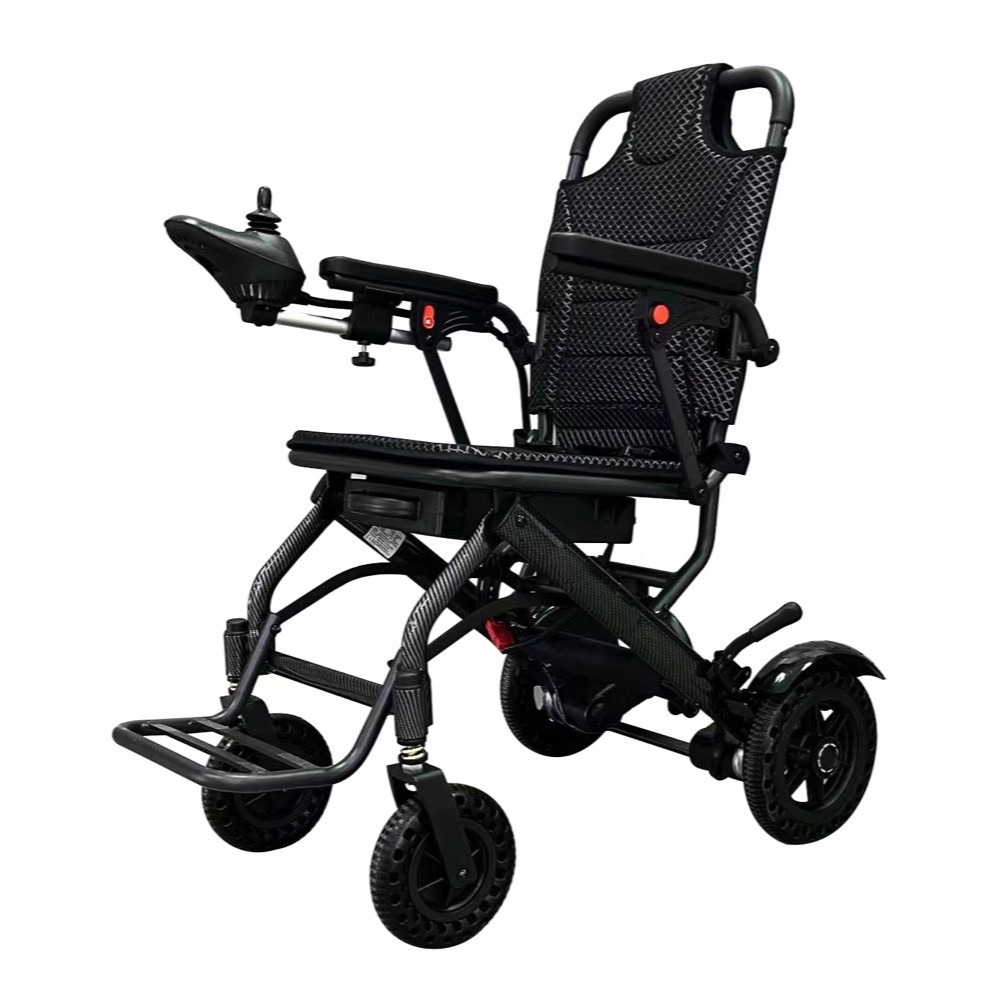
Standard wheelchair and transport wheelchair are not the same direction
A standard wheelchair may be used as a broad manual-wheelchair term. A transport wheelchair is usually discussed for assisted movement, with another person pushing the chair. The two directions can overlap in a general search, but they should not be treated as the same product decision.
For a transport-focused requirement, the person pushing the chair, the likely route, and the storage point often become important parts of the review. A buyer may be looking for support during short movements between rooms, through a reception area, or across a care setting. The What Is a Transport Wheelchair guide explains this direction in more detail.
Imagine a care coordinator reviewing two manual wheelchair pages before a room update. At first glance, both products may appear suitable. The coordinator then returns to a simple question: will the chair mainly be pushed by staff, or will the user be expected to move it independently? That one question can make the product review feel much less confusing. It is a general planning example, not a customer project or outcome.
The goal is not to label one direction as better than the other. It is to make sure the product direction matches the support expected during normal use.
The daily route gives the product review context
A wheelchair is part of a daily journey, not just a product image. The route may include an entrance, corridor, waiting space, lift, ward, rehabilitation room, or storage area. Looking at that path helps the buyer decide which published product information deserves closer attention.
The Rehabilitation and Mobility application page gives context for this wider mobility conversation. It does not prescribe a product. Instead, it helps a buyer connect the wheelchair requirement to the setting in which it will be used.
A team can begin by identifying where the chair starts its day and where it will be used most often. It can then consider who will handle it, where it will wait between journeys, and which product direction fits the route. These are ordinary questions, but they often prevent a generic term from becoming a vague product request.
Picture a small team reviewing the same route together. One person notices a busy waiting area. Another knows where the chair will be stored. A third understands whether staff will usually assist movement. Each observation is simple, yet together they create a much clearer starting point for comparing products. This is an illustrative working moment, not a real customer case.
Review the selected product rather than a generic label
Once the product direction is clearer, move from the broad label to a selected product page. Product images, listed components, and published information belong to that product. They should not be copied across every wheelchair described as standard.
The Wheelchair Dimensions Guide can help buyers understand why size-related information should be checked for the selected wheelchair. A product’s published dimensions, components, and other details may differ from another manual wheelchair in the same category. A general term cannot replace that confirmation.
The same principle applies to product images. An image can help a buyer understand the visible product direction. It may show the frame, wheels, armrests, footrests, or another visible component. It does not automatically confirm every detail that is important to the project. The published page and the final product discussion should remain connected.
Grace Medy supplies wheelchair products for mobility-related requirements. The most useful conversation begins after the buyer can describe the intended direction and the information that needs to be confirmed. This helps the team move from a broad search term to a practical product review.
Prepare a clear next step
After reviewing the product direction, the next message can remain short and useful. Share the intended wheelchair type, the care or mobility setting, the preferred product if one has been identified, and the project needs that matter to the team. This gives the supplier a clear basis for discussing published information.
If the team is still deciding between manual, transport, and electric directions, it is helpful to say so. A supplier can then understand that the request is at a comparison stage rather than treat it as a final product order. The Wheelchair Inquiry Guide can help organize that message without making it unnecessarily long.
A standard wheelchair is best understood as a starting point for a more precise conversation. Begin with the Wheelchairs category, connect the product direction to the real route and support needs, and use the Contact page when you are ready to discuss a selected product. Final product details, configuration, packing, and delivery information should always be confirmed for the chosen wheelchair before purchasing.
A short wheelchair overview video can provide a visual introduction to a general manual wheelchair direction. It should be used only as a category reference. It is not a source of specifications and does not describe every Grace Medy product.
Continue your product review
Review wheelchairs · Compare manual wheelchairs · Compare electric wheelchairs · Explore rehabilitation and mobility · Discuss a wheelchair requirement